Theme
Commencement Speeches About Social Justice & Equality
These speeches turn graduation toward unfinished work: inequality, discrimination, and the gap between the country's ideals and its record. Speakers challenge graduates to widen who gets a fair chance and to treat justice as a personal responsibility.
67 speeches / 36 core matches
How to read this theme
These speeches turn graduation toward unfinished work: inequality, discrimination, and the gap between the country's ideals and its record. Speakers challenge graduates to widen who gets a fair chance and to treat justice as a personal responsibility.
Start here
3 good entry points
Begin with these speeches if you want the clearest path into social justice & equality.
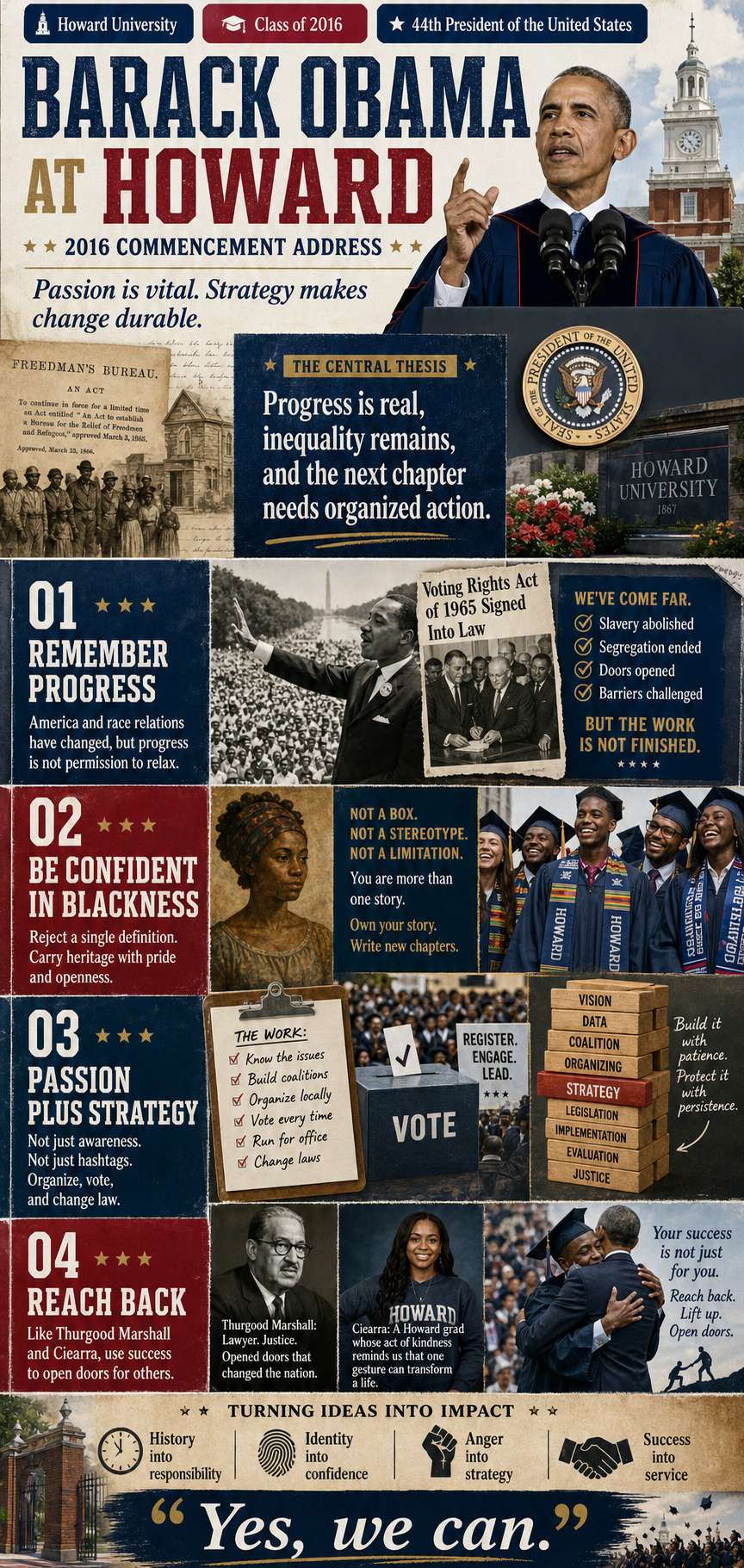
Barack Obama Howard University / 2016 Why it belongs here Obama details racial gaps in unemployment, incarceration, and pay while urging graduates to bend history toward justice and equality. This theme is central to the speech. 02 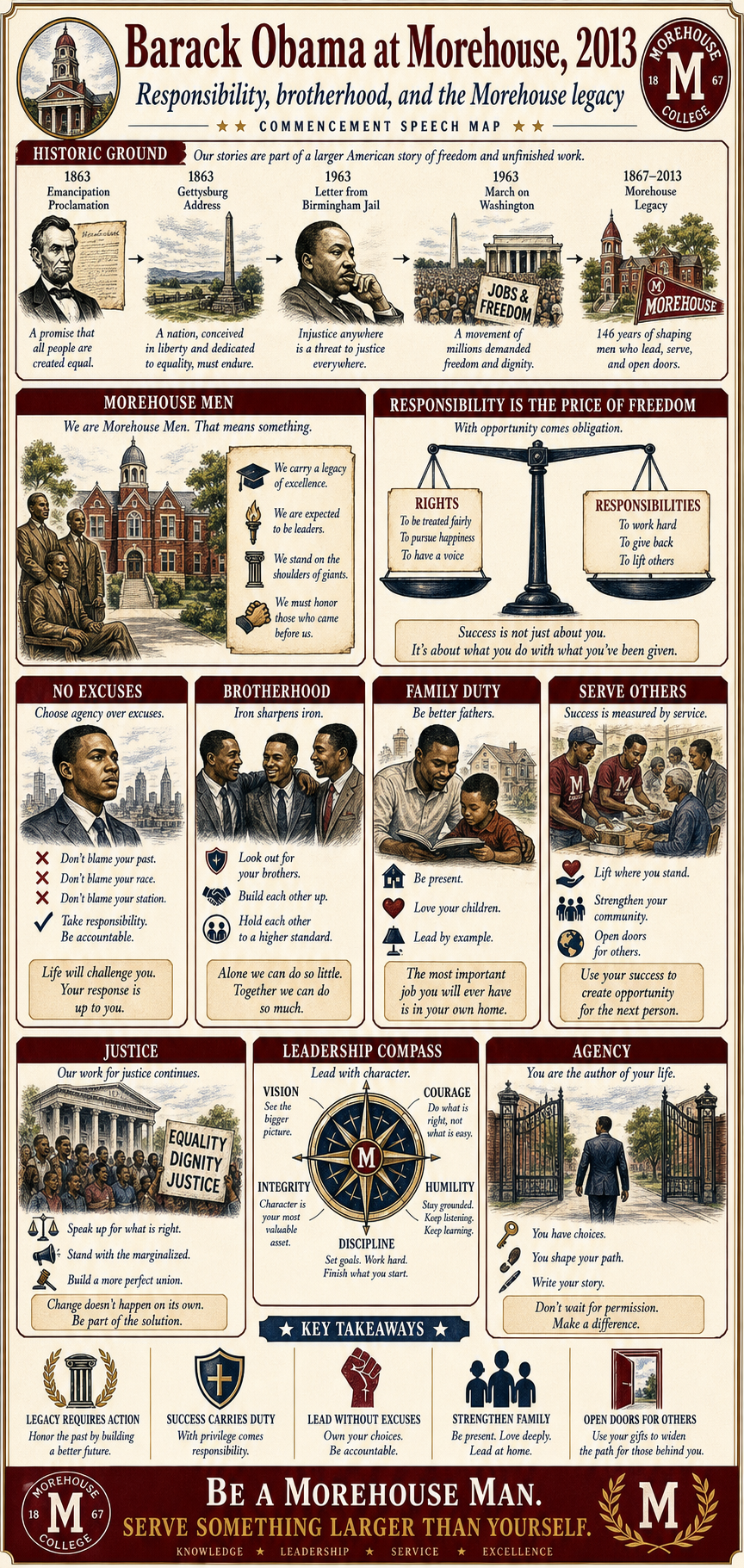 Barack Obama Morehouse College / 2013 Why it belongs here He invokes Dr. King, Jim Crow, and the ongoing struggle against discrimination and inequality facing black men and neighborhoods. This theme is central to the speech. 03
 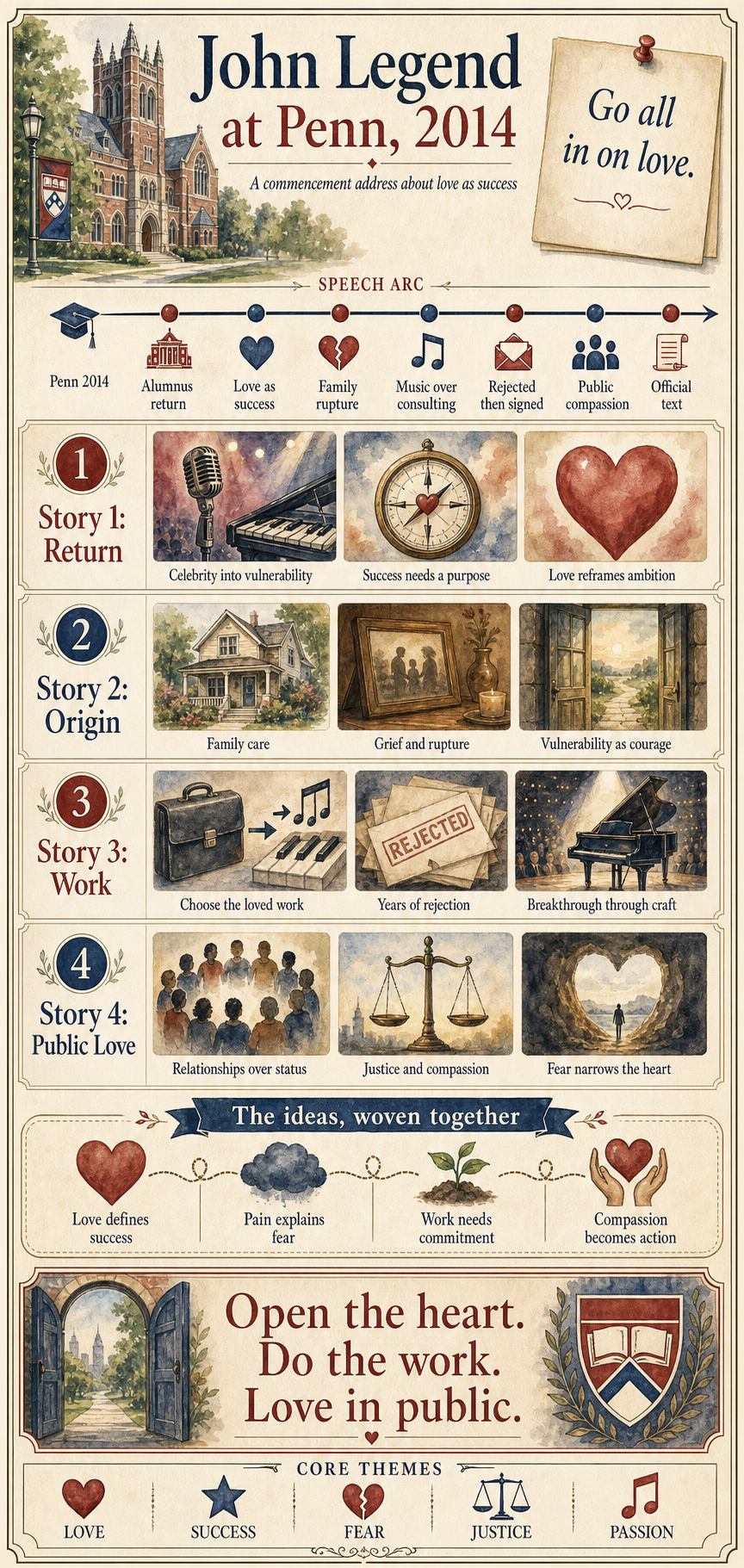 John Legend University of Pennsylvania / 2014 Why it belongs here He frames loving in public as justice, citing Trayvon Martin, Palestinian children, and kidnapped Nigerian girls, and calls for equal care for every child. This theme is central to the speech.
 Featured speeches
Visual speech maps and strong matches
Why it belongs here Obama details racial gaps in unemployment, incarceration, and pay while urging graduates to bend history toward justice and equality.
Why it belongs here He invokes Dr. King, Jim Crow, and the ongoing struggle against discrimination and inequality facing black men and neighborhoods.
Why it belongs here He frames loving in public as justice, citing Trayvon Martin, Palestinian children, and kidnapped Nigerian girls, and calls for equal care for every child.
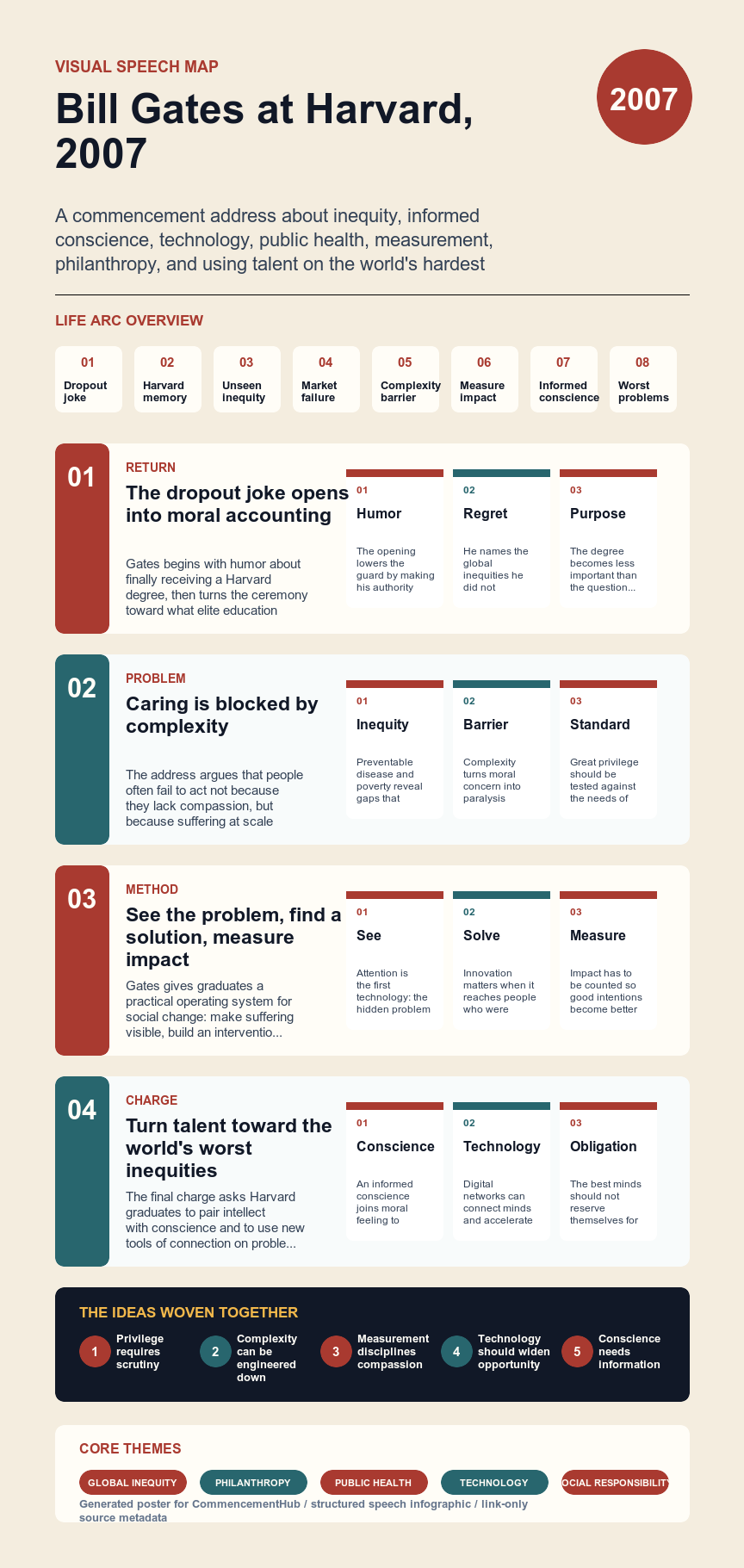
Why it belongs here He argues that reducing inequity is the highest human achievement and challenges the idea that some lives are worth saving and others not.
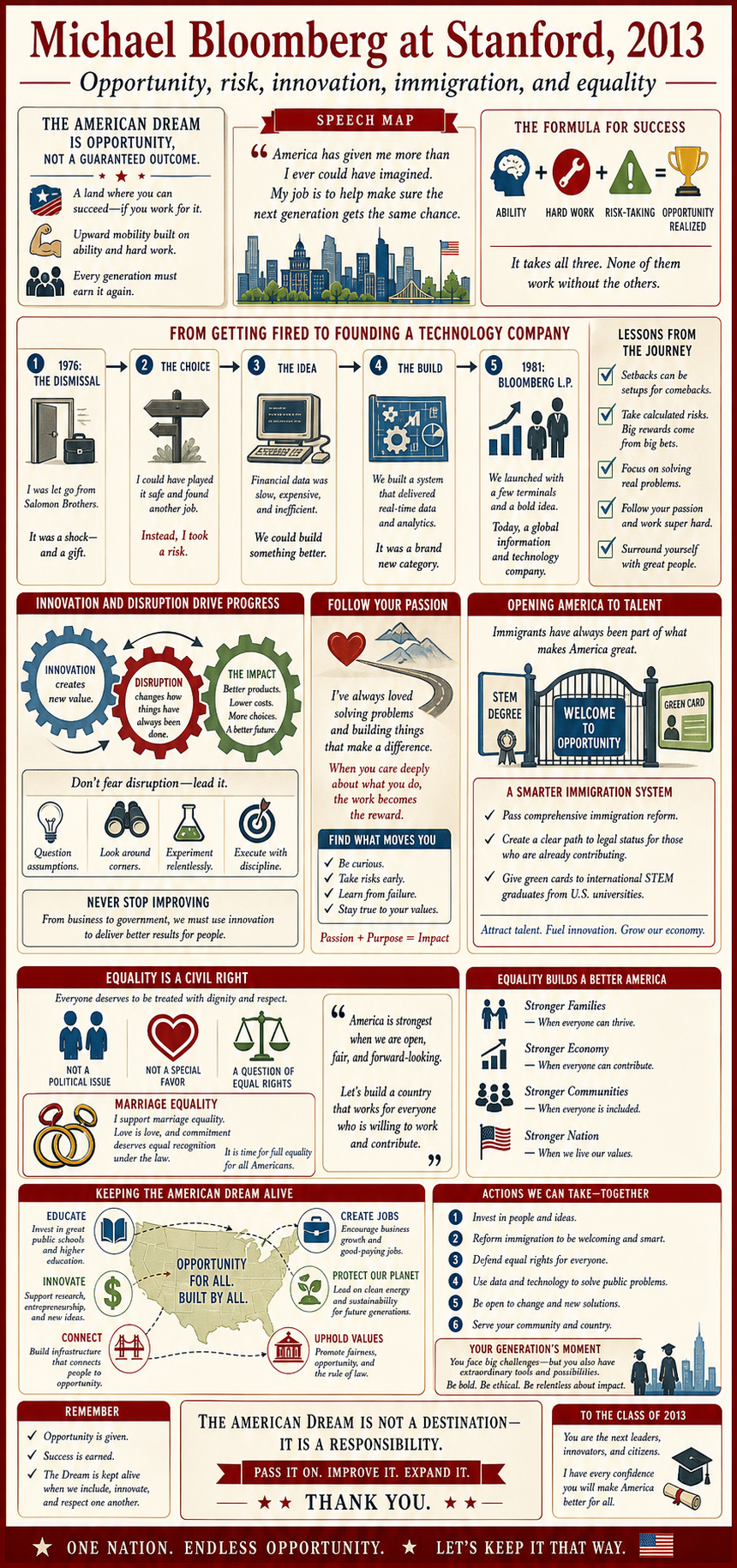
Why it belongs here He devotes a major section to immigration reform and same-sex marriage as civil rights issues, invoking Dr. King and the struggle for equality.
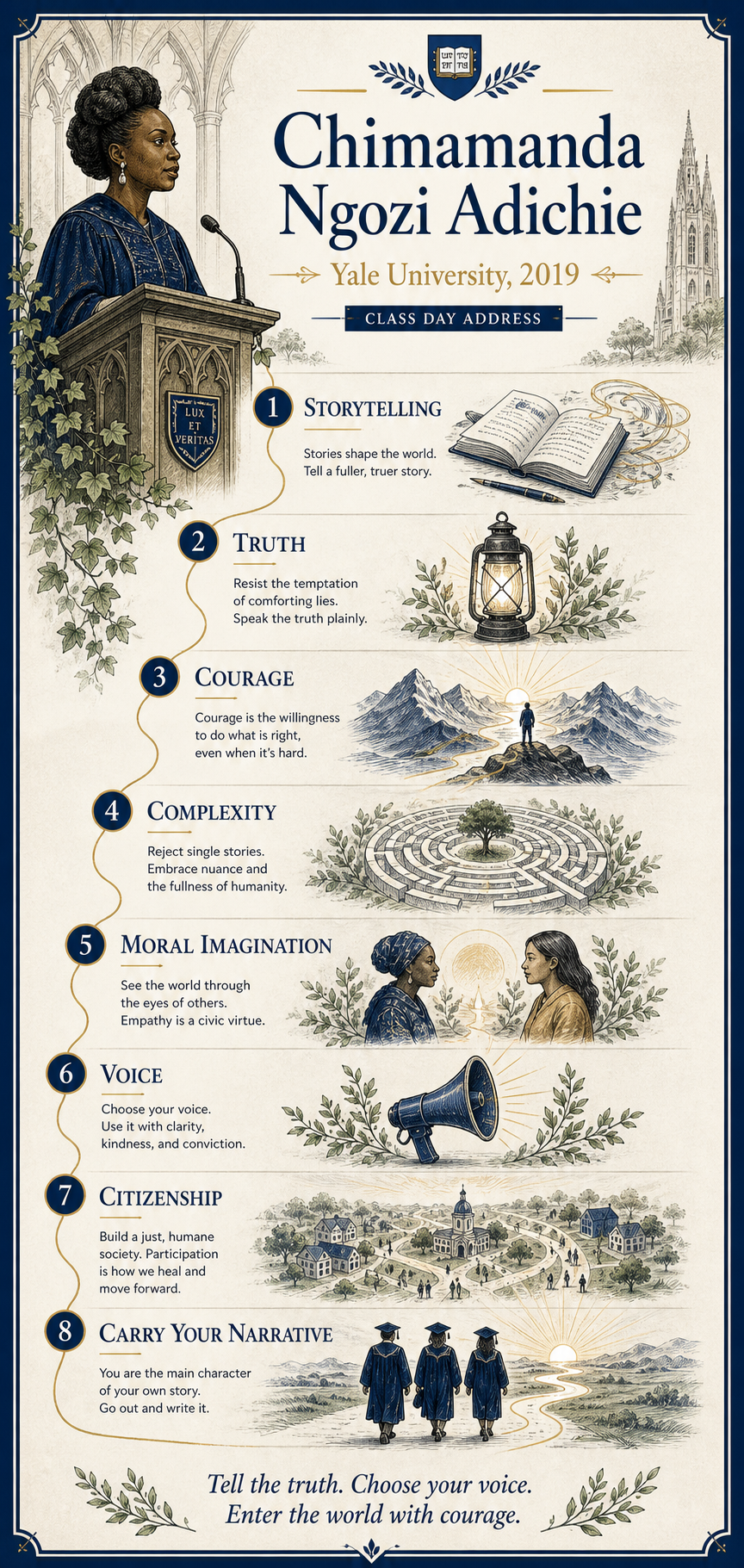
Why it belongs here She discusses her feminist advocacy, gun violence, police killings of black people, and women's autonomy, urging graduates to work toward equality and justice.
Browse the theme
Core matches first
Labels describe how directly each speech matches this theme.
Core matches 36
Stanford University / 2017 / California Supreme Court justice
Howard University / 2016 / 44th President of the United States
Wellesley College / 2015 / Field: letters
University of Pennsylvania / 2014 / Field: arts
Morehouse College / 2013 / 44th President of the United States
Stanford University / 2012 / Mayor of Newark, New Jersey
Barnard College / 2010 / Field: arts
Harvard University / 2007 / Field: business
University of Pennsylvania / 2004 / Field: arts
Harvard University / 2023 / Actor
Yale University / 2022 / Advocate for women and girls
Yale University / 2019 / Novelist and nonfiction writer
Yale University / 2018 / Former secretary of state, senator, and first lady
Yale University / 2016 / U.S. representative to the United Nations
University of California, Berkeley, Graduate School of Journalism / 2014 / Field: letters
Dillard University / 2014 / Field: politics
Stanford University / 2013 / Mayor of New York City
University of North Carolina / 2012 / Field: politics
Dominican University of California / 2012 / Field: letters
University of Delaware / 2012 / Field: arts
New York University / 2011 / Field: politics
Spelman College / 2011 / Field: politics
Barnard College / 2011 / Field: tech
Show 12 more core matches
Liberty University / 2006 / Field: politics
Penn State / 2005 / Field: politics
Eckerd College / 2004 / Field: letters
Stanford University / 2004 / U.S. Supreme Court justice
Stanford University / 2002 / U.S. national security adviser
Massachusetts Institute of Technology / 2002 / President of the World Bank
Yale University / 2023 / Poet, educator, and cultural advocate
Massachusetts Institute of Technology / 2015 / U.S. Chief Technology Officer
Wellesley College / 2010 / Field: letters
Massachusetts Institute of Technology / 2008 / Grameen Bank founder and Nobel Peace Prize recipient
Related mentions 31
Stanford University / 2022 / Co-founder and co-CEO, Netflix
Stanford University / 2020 / Astrophysicist and higher-education leader
Stanford University / 2019 / CEO, Apple
Stanford University / 2016 / Documentary filmmaker
Vassar College / 2015 / Field: letters
University of Texas, Austin / 2014 / Retired U.S. Navy admiral
Princeton University / 2013 / Field: politics
Princeton University / 2012 / Field: letters
Stanford University / 2010 / U.S. ambassador to the United Nations
Dartmouth College / 2018 / Actor, writer, producer, and Dartmouth alumna
Wake Forest University / 2015 / Field: arts
Stanford University / 2014 / Philanthropists
Dartmouth College / 2014 / Television writer, producer, and Dartmouth alumna
Bryn Mawr College / 2014 / Field: arts
Babson College / 2014 / Field: business
New School / 2014 / Field: letters
Smith College / 2013 / Field: letters
Maharishi University / 2012 / Field: letters
Show 13 more related mentions
Wellesley College / 2012 / Field: arts
Brandeis University / 2010 / Field: politics
Scripps College / 2010 / Field: letters
Stanford University / 2009 / U.S. Supreme Court justice
Wellesley College / 2007 / Field: politics
Wilkes University / 2007 / Field: arts
Stanford University / 2003 / President of Peru
Massachusetts Institute of Technology / 2018 / COO, Facebook
Massachusetts Institute of Technology / 2014 / Chair and CEO, DuPont
Harvard Law School / 2014 / Field: arts
Massachusetts Institute of Technology / 2007 / President emeritus, MIT
Massachusetts School of Law / 2006 / Field: arts
Massachusetts Institute of Technology / 2003 / Former U.S. senator
Browse another way: institution, year, speaker, or all themes.